Something More
Some memoirs tell you what happened. Others make you feel as though someone has pulled up a chair and started telling you the story themselves.
Born a Crime: Stories from a South African Childhood belongs firmly in the second category.
Let’s Read
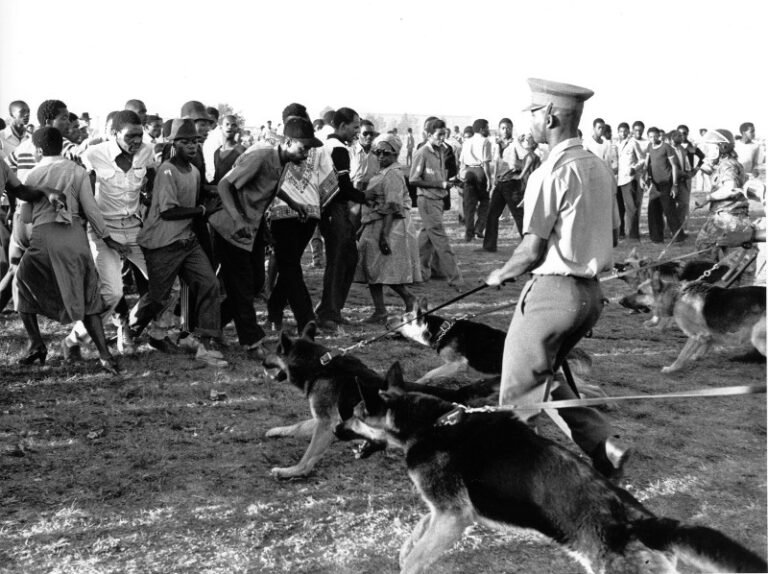
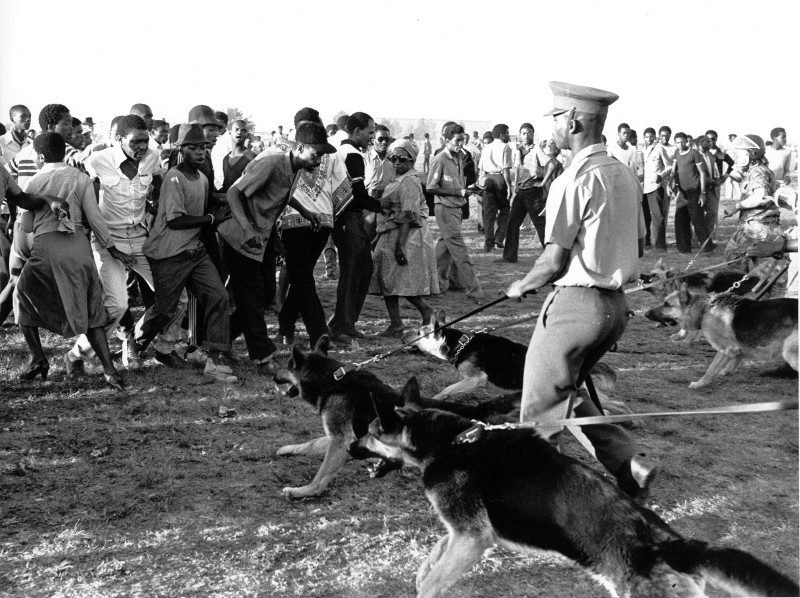
Written and narrated by Trevor Noah, the memoir follows his childhood and teenage years in South Africa during apartheid and its aftermath. At the center of the story is a simple but extraordinary fact: Trevor’s birth itself was considered illegal under apartheid because his mother was Black and his father was white.
But Born a Crime isn’t simply a memoir about apartheid.
It is about identity, family, language, poverty, race, religion, violence, survival, and the strange ways children learn to understand the world around them. And because Noah reads the audiobook himself, those experiences arrive not merely as written memories, but as spoken stories.
That makes the audiobook particularly worth examining.
What Is Born a Crime Really About?
On the surface, Born a Crime is a collection of stories from Trevor Noah’s childhood. The episodes range from funny childhood adventures to frightening encounters with violence and poverty.
Together, however, they form something much larger: a portrait of a young person trying to understand where he belongs.
Also Read
Trevor grows up in a society obsessed with racial categories. Yet he doesn’t fit neatly into any of them. His mixed-race identity makes him an outsider in different ways, forcing him to observe how people behave toward one another and how quickly language, appearance, and social circumstances can determine someone’s place.
This gives the memoir one of its strongest ideas:
Identity is not always something you simply inherit. Sometimes it is something you have to learn to navigate.
Noah tells these experiences with humor, but the humor doesn’t erase the seriousness underneath them. Instead, it often makes the difficult subjects easier to approach.
That balance is one of the book’s greatest strengths.
The Theme of Identity
Identity runs through almost every part of the memoir.
Trevor is constantly aware that other people see him before they know him. His appearance, his family, and the social rules surrounding race all affect how people understand him.
But Noah doesn’t turn this into a dry discussion about racial identity. He lets the reader experience the confusion through individual stories.
That approach makes the subject personal.
You begin to understand that apartheid wasn’t only a political system written into laws. It shaped ordinary interactions, neighborhoods, schools, friendships, families, and even the way people understood themselves.
The memoir therefore works on two levels: it tells Noah’s personal story while quietly showing how a larger historical system enters everyday life.
Mother, the Emotional Heart of the Memoir
If race and identity provide much of the book’s intellectual foundation, Noah’s relationship with his mother provides its emotional center.
His mother, Patricia, is presented as fiercely independent, deeply religious, stubborn, loving, and sometimes difficult to understand. She pushes Trevor toward a life larger than the circumstances around them.
Their relationship isn’t sentimental in a simple way.
There are disagreements. There is fear. There are moments when Trevor doesn’t understand her decisions. Yet beneath all of it is an extraordinary sense of determination.
She refuses to let the world define the limits of her son.
That makes Born a Crime more than a coming-of-age memoir. It becomes, in many ways, a story about what a parent can give a child: not certainty, but the courage to imagine another life.
Language Becomes a Survival Tool
One of the most fascinating ideas in Born a Crime is the power of language.
For Trevor, language isn’t merely communication. It can determine whether someone accepts you, distrusts you, fears you, or considers you one of their own.
Growing up among different languages and communities, he learns to move between social worlds.
This becomes particularly important in the audiobook.
Noah’s voice allows listeners to hear differences in accents, rhythms, and characters rather than simply reading descriptions of them. The publisher notes that the audiobook includes Noah speaking in English as well as snippets of South African languages, while Audible highlights his ability to embody characters through accents and dialects.
Also Read
Here, the audiobook format isn’t just convenient.
It adds meaning to the story itself.
Why the Audiobook Works So Well
There is a particular intimacy to hearing someone tell the story of their own childhood.
Trevor Noah knows the comedic timing of these stories because he lived them. He knows where a memory needs to slow down, where a joke should land, and where silence can carry more weight than another sentence.
That matters because Born a Crime constantly moves between comedy and pain.
One moment you’re laughing at the absurdity of a childhood experience. The next, you’re confronted with poverty, violence, discrimination, or fear.
Noah’s narration helps hold those contrasting emotions together.
The audiobook runs for roughly eight hours and forty-five minutes in the current Random House Audio edition, with Noah as narrator.
And perhaps the most important point is this: the voice belongs to the person who experienced the story.
That gives the audiobook an authenticity that is difficult to reproduce with another narrator.
Is Born a Crime Funny?
Yes—but it isn’t simply a comedy audiobook.
Noah’s humor is one of the ways he makes sense of difficult experiences. He finds absurdity in situations that could otherwise become overwhelmingly bleak.
That doesn’t mean the painful moments are treated lightly.
Instead, humor becomes part of the survival mechanism.
This is an important distinction. Born a Crime doesn’t ask you to laugh instead of confronting difficult subjects. It often asks you to laugh while recognizing how complicated and painful those subjects really are.
That combination gives the memoir much of its personality.
What Doesn’t Work Perfectly?
A good review shouldn’t pretend that every part of a memoir works equally well.
Because Born a Crime is constructed from individual stories and vignettes, the experience can sometimes feel episodic rather than like one continuously developing narrative. Some stories have a stronger emotional impact than others.
Readers looking for a tightly structured chronological autobiography may therefore find the format less conventional.
And Noah’s comedic voice, while hugely effective, won’t appeal equally to everyone. Some listeners may prefer a quieter, more restrained approach to difficult personal and historical subjects.
But these are relatively minor limitations.
The episodic structure also gives the memoir its energy. Each story adds another piece to the larger picture of Trevor’s childhood, and the humor is so deeply connected to his personality that removing it would change the book itself.
The Audiobook or the Paper Book?
If you enjoy audiobooks, I’d strongly recommend listening to this one.
The written memoir is powerful, but the audio version brings another dimension to the material because Noah performs the story himself.
- This is particularly valuable when language, accent, dialogue, and character voices become part of the storytelling.
- It’s also an excellent choice for listeners who enjoy memoirs that feel conversational rather than overly polished or distant.
- You aren’t simply being given a history lesson.
- You’re listening to someone remember his childhood.
Who Should Listen to Born a Crime?
I’d recommend this audiobook to listeners who enjoy:
- Personal memoirs with strong storytelling
- Stories about identity and belonging
- Family-centered memoirs
- Memoirs connected to history and social change
- Audiobooks narrated by their authors
- Humor mixed with serious themes
- Stories about resilience and survival
It is especially rewarding if you’re interested in how personal experiences can illuminate larger historical events.
My Recommendation
Born a Crime is one of those audiobooks where the narrator isn’t simply reading the book—the narrator is part of the reason the book works.
Trevor Noah’s humor keeps the story moving, but the deeper strength comes from what sits underneath that humor: a child trying to understand race and belonging, a mother determined to give her son possibilities, and a young man learning that language can become a bridge between worlds.
Also Read
The audiobook succeeds because it doesn’t separate the funny parts from the painful ones. It allows them to exist together, much as they do in real life.
Final; Highly Recommended
If you’re looking for a memoir audiobook that can make you laugh, make you uncomfortable, teach you something about history, and occasionally leave you sitting quietly after a chapter ends, Born a Crime is an excellent choice.
And for Memoir in Audio, it offers something especially valuable: a reminder that sometimes the most important part of a memoir isn’t only what happened.
It’s the voice telling you what happened.
Born a Crime was originally published in 2016 and has become a major bestseller; the current Random House Audio edition is read by Noah himself.
FAQ on This
What time period is covered in the audiobook, Born a Crime?
Trevor Noah tells about his childhood and teenage years in South Africa during apartheid and its aftermath.
Why Trevor gave such unusual name to his audiobook?
Trevor’s birth itself was considered illegal under apartheid because his mother was Black and his father was white.
What was the name of Trevor Noah’s mother?
Trevor Noah’s mother name was, Patricia.
Trevor Noah say that language was a tool. What does it mean?
Yes. Language served as a tool to accepet or reject a person in the society. Noah Trevor had to face is situation daily in the apartheid South Africa.