Rating
8.8/10
Editor’s Note
A deeply researched book on the forgotten world of paperbacks’ horror and killings. A glimpse into past!!
Listening Link
Paperbacks from Hell
The seventh and eighth decades of 20th century is still remembered for a boom in paper backbooks sepecially those of horror ones. Where blood, flesh, witches, magic, and graveyards with all their gory looks smiled on pages…
Grady Hendrix being an expert of horror fictions explores the this era of blood and flesh on the paper. These cheap, pulpy, paperbacks were eagerly consumed by the readers for getting a taste of horror and thrill.
Let’s Read!!!
The book Paperbacks from Hell is a sociocultural analysis of the backdrop of the era. It was a period when there was various factors that were shifting the socio-political and economic order of the society. The fears and anxieties of common men were taken by these horror writers into their stories which gave a sense of association and linking to them both with their socio-political setups and to their stories as well.
Craze of Horror Fiction
This period was exclusively marked for the rise of some iconic horror writers and their works which have a nostalgic aura for the readers of that age.
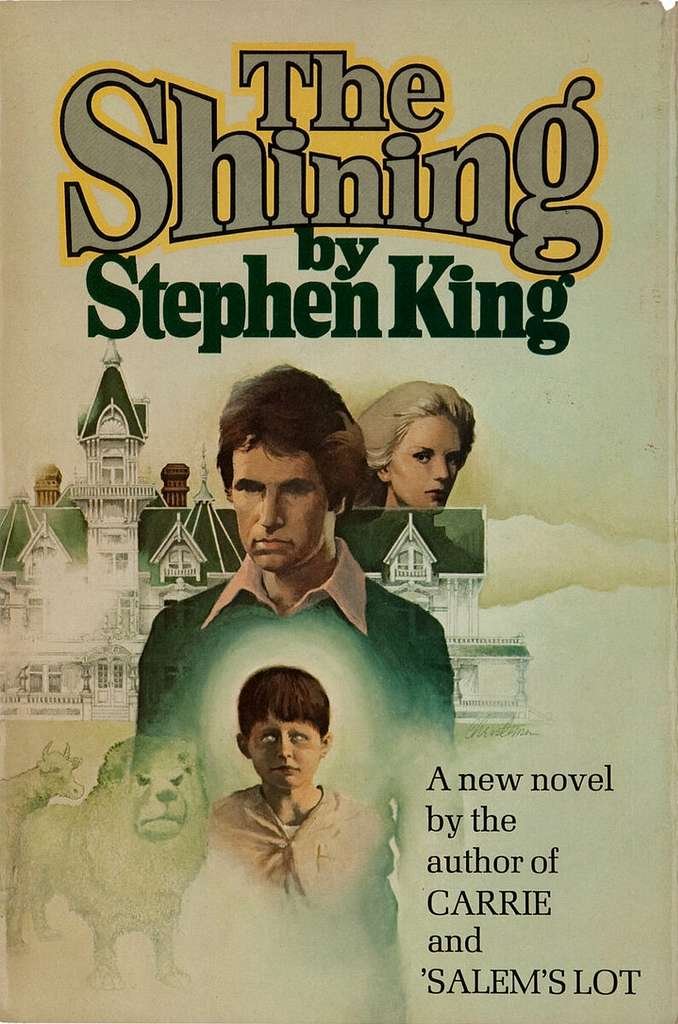
Some works like that of Stephen King, Carrie (1974) and The Shining (1977), were a benchmark of the genre. The mixing of common daily life with those supernatural events by King would give senses of horror and supense to his readers. In the same tone, Anne Rice used the gothic horror in her novel, the Vampire Chronicles, for the discovery of death, and destruction.
Also Read
The publishing houses like Pinnacle Books and Zebra Books used their business sense to ride on the trend of the age. With their cheap, affordable, catchy covers, and easy availability they fed the rising audience of these horror stories.
Themes in Horror Novels
The horror fiction of the 1970s and 1980s is characterized by its exploration of themes that reflected both the anxieties of the era and the evolving tastes of readers.
The theme of supernaturalism is of the most sought after theme in these horror stories. Authors used the folklores, mythologies, vampires, ccults practing along with so many other supernatural and supra-natural things that added flavor to these horror stories. It was also a reflection of the age in which these books were written and published!!!
The psychological horror is another significant theme of these novels. Paranoid, mad, and weird personality and traits are common in the characters of these stories. Readers are led to explore and identify the psychological conditions and trauma in which these characters are going through and also to know and discover their inner feelings and surroundings in these readers find themselves.
Famous Authors
Stephan King novels Carrie and Shinning deal with alienation, revenge, and madness themes. Anne Rice work The Vampire Chronicles elaborates the human conditions through the concept of vampirism, an allegorical device to explore the misrable conditions of the humans living in the age.
Ramsey Campbell novel The Doll Who Ate His Mother gives a mental fear to his readers eliciting a sense of dread and loss. Clive Barker Books of Blood collections introduced readers to surreal horror scenarios where imagination and terror are mixed. While Peter Straub collaborative work with King such as The Talisman depicts the value of intertextuality in horror narratives.
Censorship and Controversies
The 1970s and 1980s were no doubt the decades of horror fiction rise but they were also the years of extreme scrutiny, censorship, and societal questions. Their authors were often questioned both by authorities and societies alike for what they wrote and presented to their readers.
Various groups and organizations who vehemently campaigned against the harmful literature sought to censor or ban these books and writers. This pressure led some novelists to work with some lesser known and small publishers with a bit of editorial freedom for thier work.
Such bannings further augmented the appeal of these horror books to their readers who actively sought and bought every new volume these writers and publishing house published.
Paperbacks for Money and Readings
The great advantage of these paperbooks were their affordability as well as availability to the masses who bought them for their readings. This in one way contributed to the rise of books-readings and democratization of books, their accessiblity, and their readings.
The graphic covers of these novels along with some violent imagery inside them made these books a favorite hook for its readers. Who in turn took affects from these novels and publishers and writers responded professionally with the rising or the fading trends of their readers.
Decline and Its Legacy
The surge of these novels became to flow down with time. Main reason was the market saturation where shops, marts, and hawkers were replete with horror books. Thus resulting in a sense of fatigue and tastelessness in the readers who now find them a lack of orginality in them.
The new genres like young adults, thrillers, mysteries further nailed down its decline. Video gaming was totally a new thing in the market that snatched away readers interests from horror books to gaming world. However, some of the best horror novels were either dramatized or filmmed by the different media houses. It is a point that great works never wane but its has to be renewed and transformed in new shapes.
Insights and Reflections
Hendrix discusses that these books had a wider implications than we can imagine. These horror novels in one sense was the depiction of the fears, phobias, economic draw down, and political settings of countries in which they were written or published.
They thus mirrored the life to its readers. With a nostalgic note he views these books as a beneficial source of reading, and vocabulary growth melting down his critique with affection and love……
FAQ on this Memoir
Which type of literature was popular in 1970s & 1980s?
These decades are remembered for a boom in horror fictions.
Who wrote Carrie and The Shining novels?
Stephan Hawking wrote them.
Was such horror literature accepted easily by the society?
No. Various groups and organizations who vehemently campaigned against the harmful literature sought to censor or ban these books and writers.
What was the great advantage of these horror novels?
The great advantage of these paperbooks were their affordability as well as availability to the masses who bought them for their readings.
Did such horror novels also have political themes?
Yes. These horror novels in one sense was the depiction of the fears, phobias, economic draw down, and political settings of countries in which they were written or published.