Rating
8/10
Editor’s Note
The rediscovery and publishing of the lost psychological biography of the President Woodrow Wilson. Hidden for decades, it reveals many aspects of the President personality and also the failure of Treaty of Versailles
Listening Link
The Madman
The Madman in the White House by Patrick Weil is a rigrious research of him mixing in a systematic way the psychoanalysis of the 28th president of the United States, Woodrow Wilson, to his readers.
The main motive behind this historical psychoanalysis of the President leadership, his decisions and their relevance and applicability to the modern politics.
Let’s Read!!!
A visionary leader President Woodrow Wilson presidentship is idealized for democracy, self-determination advocacy throughout the world.
But with time passage and the White House involvement in demostic and foreign politics the juxtaposition of the nowadays situation with those of past ideals of the founding fathers of the America is essential for understanding.
The audiobook invites listeners to delve into the mind of Wilson the psychoanalytical lenses of Sigmund Freud is used. Sigmund Freud being the pioneer of psychoanalysis gave the framework for this divulging mindset.
Also Read
What was the fears, motives, behavior and psyche behind these actions and decisions he took in the office. This analyses were further bolstered by the insights of Ambassador William C. Buillitt who had a very deep friendship with President Wilson.
Professor-turned-Politician
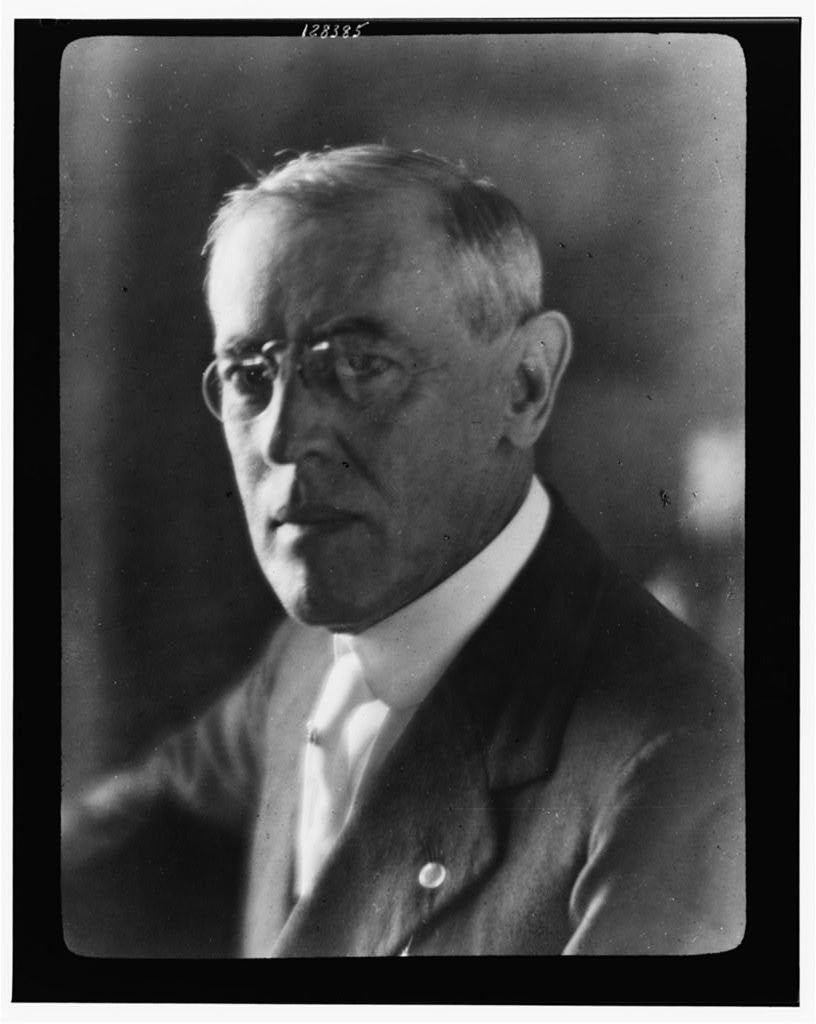
A PhD in political science from the Johns Hopkins University, an academic by profession, the 28th President of the United States serving two terms in the office, Thomas Woodrow Wilson was born on December 28, 1856, in Staunton, Virginia.
Wilson successful reforms about labor laws and curbing the corruption as the Governor of New Jersey in 1910 brought him into the lime light of the national politics. Seeing him as the champion of reforms and social justice Democrats nominated him as the presidency candidate in 1912.
On the international sphere his tenure saw some very great and challenging events like the WW I, the initial neutrality of USA, later the joining of WW I by it, his 14 points and his strong belief on democracy and self determination, were the events that became hallmark of his politics and presidency.
Also Read
On the national level, Wilson implemented the Federal Reserve Act, the Federal Trade Commission, and the Clayton Antitrust Act, with a desire to regulate the economy and control the corporate abuses.
But his period was also remembered for the civil rights absence which stood in total contrast to his personal beliefs and ideals he always respected. His life was thus a mixture of achievements and contradictions!!!
Psychology and Politics Mixtion
The field of psychology provides valuable insights into the behaviors and motivations of individuals, including those in positions of political power.
A comprehension of the political leaderships psychology can help us in the form of government and decisions they would take. The psychodynamics of these leaders convey their personality structure, and the inner conflicts in their minds.
This could be easily understand and analyzed via the psychological theories given by different psychologests. Sigmund Freud is specially is known for giving us these analytical theories.
For example, an authoritarian leader behavior is a reflection of his insecure past and childhood traumas. Hence through a psycho-biographical lens, we could get the very deep, and almost exact background and reasons for this leader.
History, politics and psychology in one way are so intricately woven with one another that their separation from each other is rather impossible. The same investigating lens holds true for the decisions, policies, and actions of President Wilson.
Ambassador Bullitt’s Role in Wilson’s Life
Ambassador William Bullitt, a significant figure during Woodrow Wilson’s presidency, played a crucial role in both personal and diplomatic spheres. His relationship with Wilson was not just professional.
It was characterized by a deep intellectual and emotional connection that provided valuable insights into the character of the 28th president of the United States. Bullitt’s personal correspondence with Wilson reveals much about the strains and stresses that marked Wilson’s leadership during a tumultuous period in American history.
As an ambassador to Russia and a confidant of Wilson, Bullitt had a deep impact and knowledge about the decision and policies of the president. Bullitt gave a synopsis of a President who was both idealistic and at the same time practical for getting his point. Thus, we see a complex-natured President Wilson before us who is indeed utopian but cynic, too.
The Lost Psychobiography of Woodrow Wilson
The concept of the “lost psychobiography” of Woodrow Wilson refers to the absence of thorough psychological analysis regarding his presidency and personal life, despite his significant historical impact.
The term denotes that an examination of Wilson’s mental health and psychological struggles will give us a crucial insights into his leadership and governance.
The mental health of President wilson was not very optimal. with sporadic periods of depression, his achievements are astonishing. Yet this mental condition may have its affects on the post-war negotiations and USA relations with foes and friends at the same time.
Another effect of this mental issue was the more or less the strained relationships of President Wilson with his colleagues and friends who when differed with his ideals found themselves on the opposite side of the line. This was another never ending tussle between his vision and stark realities of life!!!
FAQ on this Memoir
What is the name of the 28th president of the United States?
President Woodrow Wilson is the 28th President of the United States.
What the psychoanalytical lense has been used in this book?
To delve into the mind of Wilson the psychoanalytical lenses of Sigmund Freud is used.
Who implemented the Federal Reserve Act, the Federal Trade Commission, and the Clayton Antitrust Act?
All these Acts were implemented during the government of President Woodrow Wilson.
What was the academic qualification and profession of the President Woodrow Wilson?
A PhD in political science from the Johns Hopkins University, he was an academic by profession,
Who was Ambassador William C. Builltt during WW1?
He was an ambassador to Russia and a confidant of Wilson
What does the Lost Psychobiography of President Woodrow Wilson mean?
The term denotes that an examination of Wilson’s mental health and psychological struggles will give us a crucial insights into his leadership and governance.